I design the systems that decide if AI is any good8.5/10 needs more context.
I turn complex B2B, marketplace and enterprise problems into products people adopt — and into numbers leadership can defend.

- Currently designing LIBRA at Elsevier — the platform its teams use to evaluate Generative AI outputs across ClinicalKey AI, Scopus AI and Sherpath AI.
- Work on how AI quality gets judged: the criteria, the review workflow, and the interfaces subject-matter experts score answers in.
- Before Elsevier: raised InfoPrice's NPS from −23 to 72 and turned a dormant design team into a strategic function.
- On the forefront of AI usage in design at IxDF and ADPList, partnering with Anthropic.
- Mentors aspiring UX professionals at ADPList.
Featured Work
LIBRA, the platform Elsevier uses to evaluate Generative AI outputs across ClinicalKey AI, Scopus AI and Sherpath AI.
+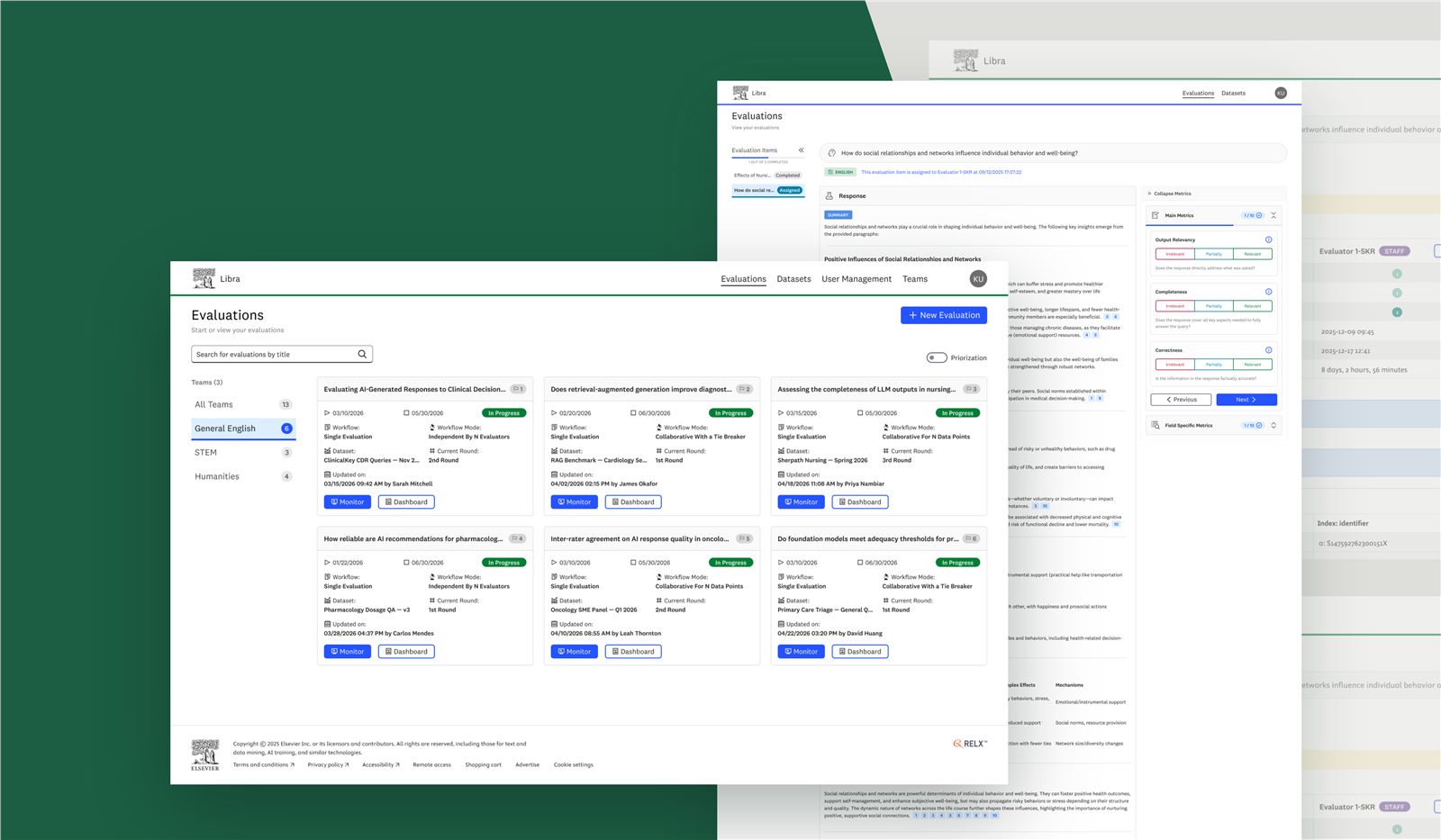
When the product is a generated answer, quality stops being a matter of taste and becomes something a team has to define, measure and defend. LIBRA is where that happens at Elsevier — the place subject-matter experts review model outputs, apply criteria, and produce evidence the product teams can act on.
The design problem is judgment at scale: making the criteria legible, keeping reviewers consistent with each other, and turning thousands of individual scores into a signal a team can act on without losing the reasoning behind it.
From a dormant design team to a strategic function — and an NPS that moved from −23 to 72.
+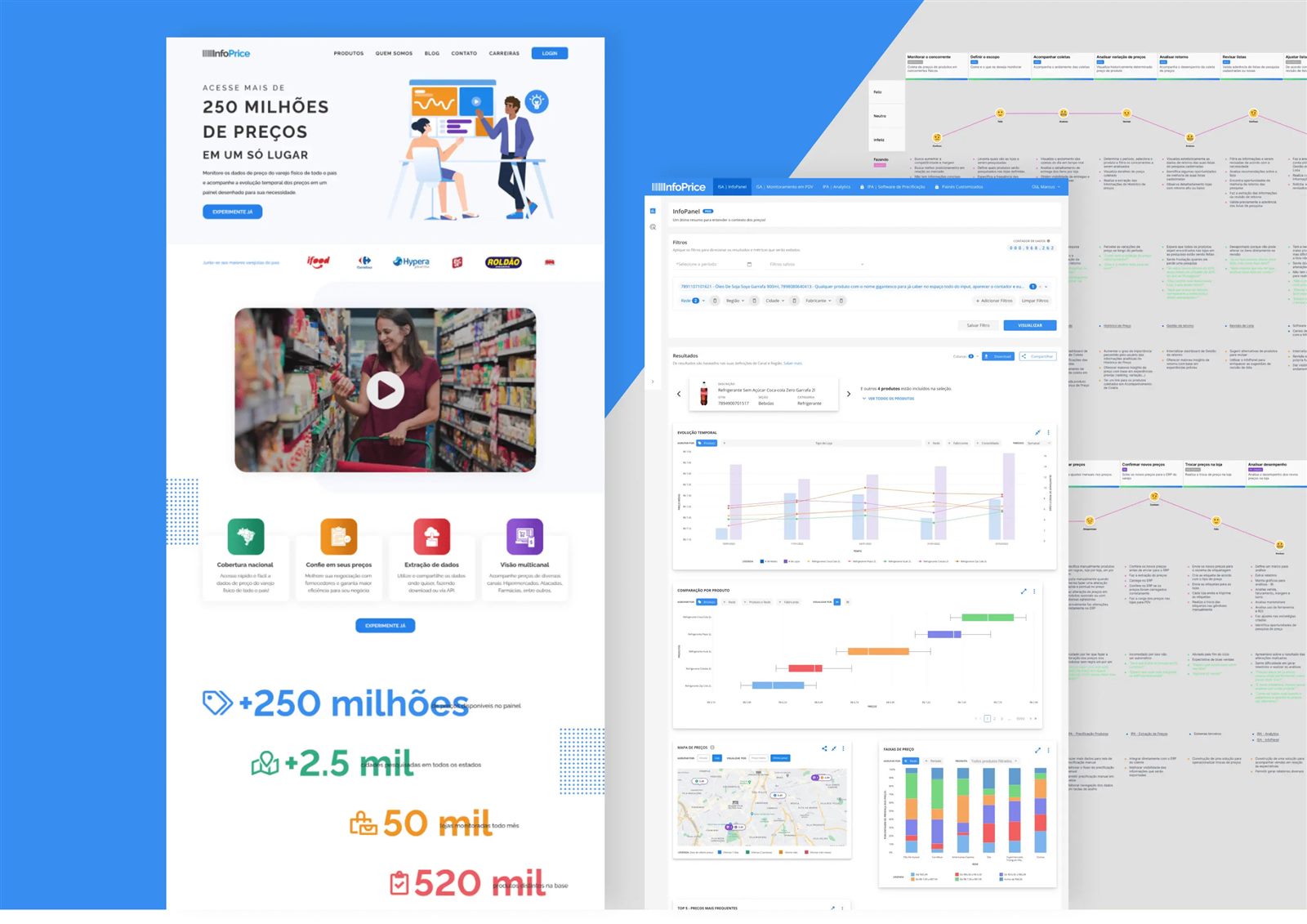
The design team existed but was reactive — briefs arrived finished, and research had no route into the roadmap. I rebuilt the practice around evidence: a research cadence leadership could see, a shared system for the product surfaces, and a seat in planning rather than at the end of it.
A century-old industrial group, one large-scale commerce experience built to feel modern.
+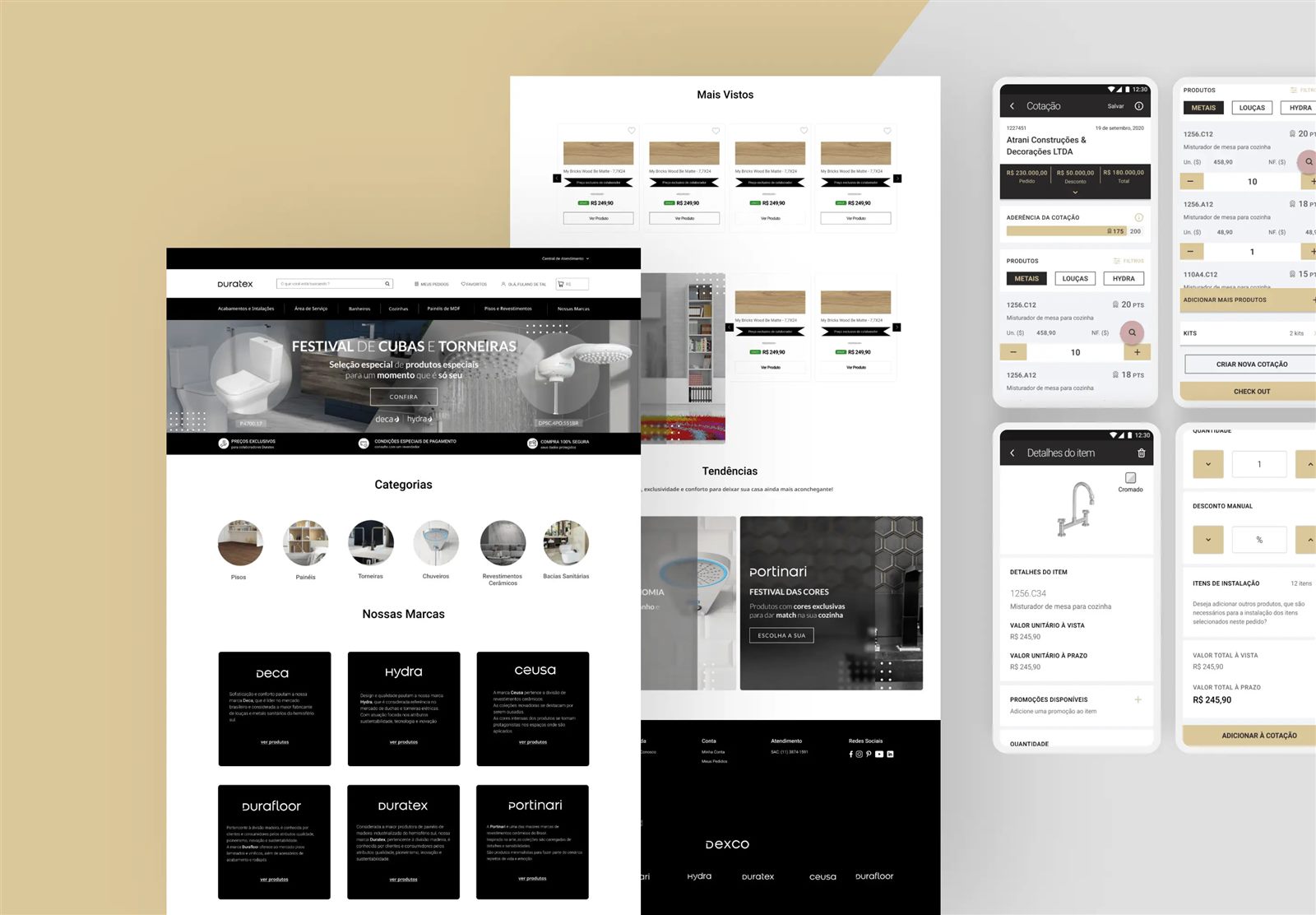
A hundred-year-old industrial group selling through distributors, moving to sell direct. The design problem was less the storefront than everything behind it — catalogue logic, service handoffs and the internal processes that had to change for the commerce experience to hold together.
Scaling a multilingual, high-traffic site for growth and recruitment at the same time.
+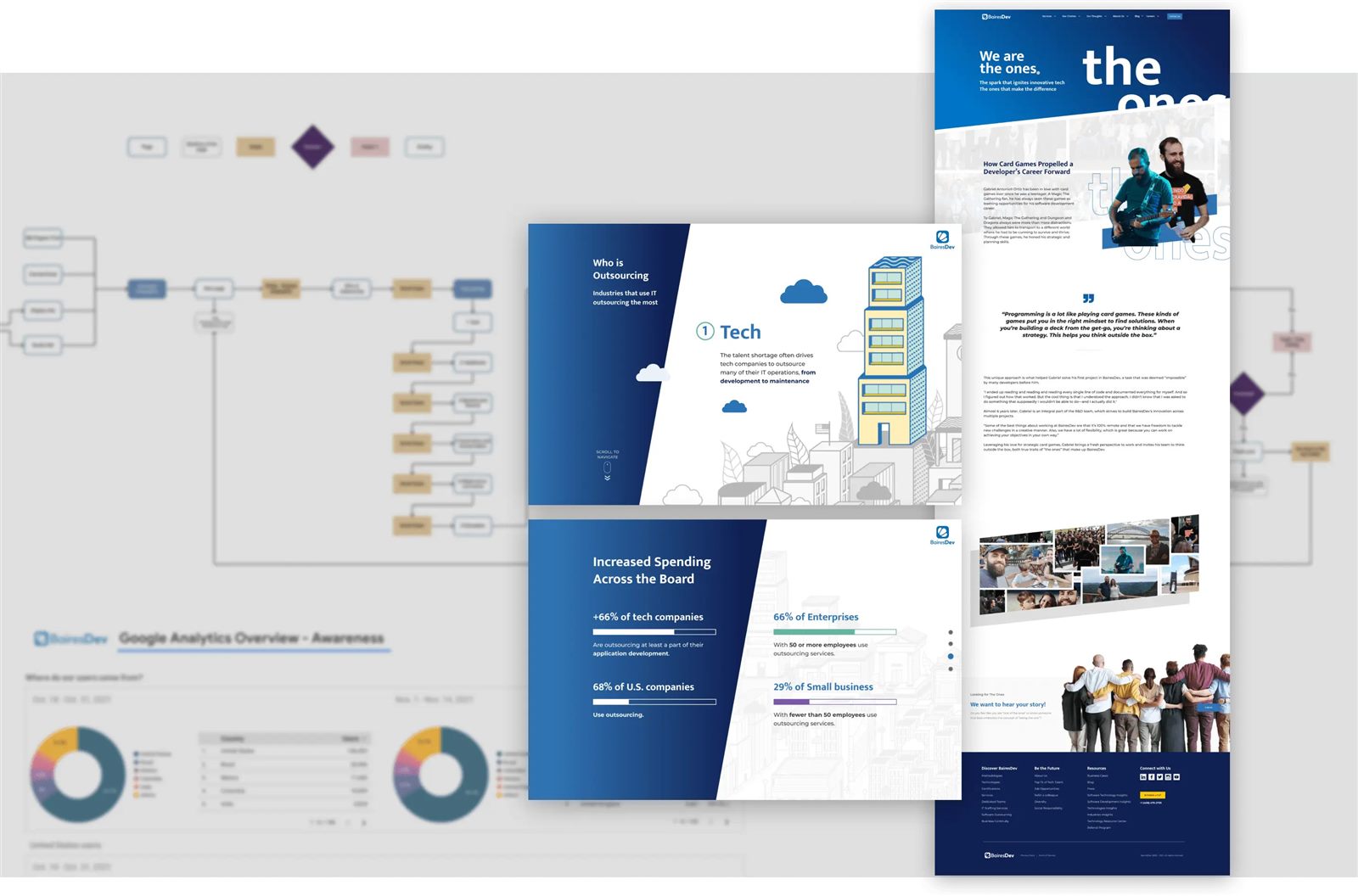
One site serving two audiences at once — clients hiring engineering teams, and engineers looking for work — across several languages and heavy traffic. The work was a design system disciplined enough to keep both journeys coherent while the funnel was rebuilt around what visitors actually came to do.
Skills
About Me
I'm a Staff Product Designer at Elsevier, working on LIBRA — the platform its teams use to evaluate Generative AI outputs across ClinicalKey AI, Scopus AI and Sherpath AI. It sits behind the products rather than in front of users, and it decides what ships.
The work is judgment at scale. Medical and scientific experts review model answers against criteria, and the interface has to keep them consistent with one another, make disagreement visible instead of averaging it away, and carry the reasoning through to whoever acts on the result.
Thirteen years got me here — specialist, senior, lead, consultant, across SaaS, enterprise transformation, e-commerce and high-traffic web. Different domains, the same habit: find the number the business is actually arguing about, then design the thing that moves it.
Testimonials
"During his tenure, the Product Design department transformed from being merely reactive to the product team's needs into a central and strategic role within the company."

"A great team player, who takes ownership of the product and champions its success. His design work is well thought out and concise to our company vision."

"He is highly skilled in creating a constructive, creative environment where, as a learner, I felt confident and motivated. My passion for design and my confidence have only grown."

"He encouraged me that I could use my background to market myself in a way that would interest UX hiring managers. I'm very excited for my next session with him."

"I received realistic and honest feedback, guiding me on the truly relevant changes to implement in my portfolio and in my approach as a UX Designer."

"Andre was incredibly thoughtful about the mentoring process and highlighted crucial points about my portfolio. He also helped boost my confidence."